
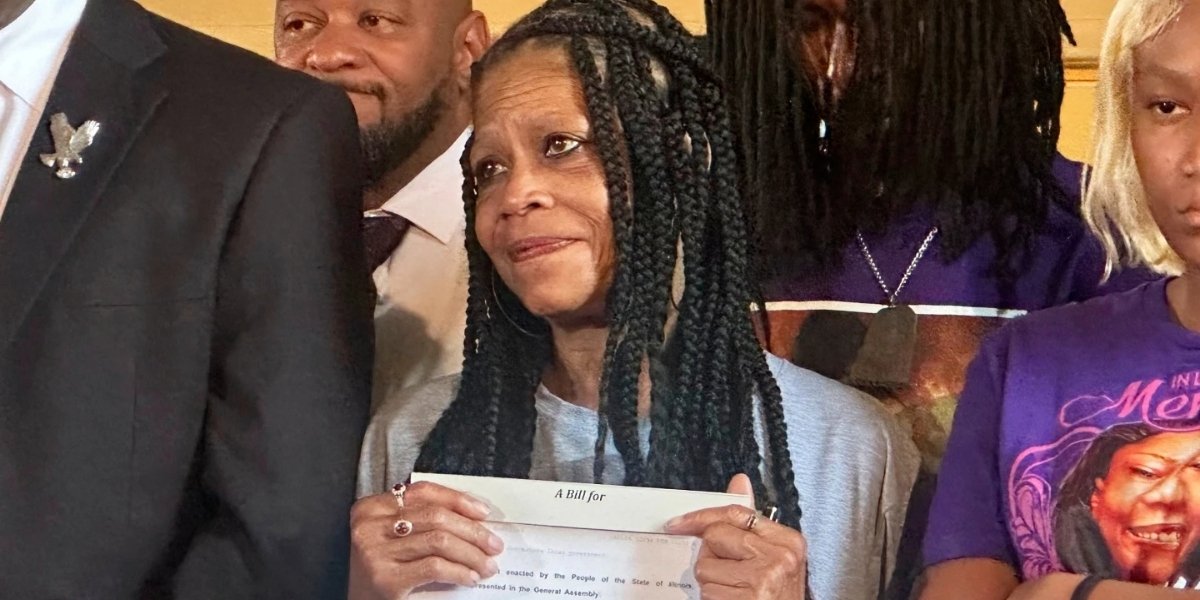
When trust is broken in our homes and in our hearts, laws can sometimes lead the way to healing. Illinois has taken such a step with the new “Sonya Massey Bill”—a change born from a tragedy many hoped would never happen, now shaping how we think about public safety and who gets to hold the badge.
A Law Born from Heartbreak—and a Mother’s Grief
This spring, Illinois Governor J.B. Pritzker signed into law Senate Bill 1953, named in honor of Sonya Massey, a single mother tragically killed inside her own kitchen during a 911 call for help. Rather than report from the sidelines, this is us asking: Could this law foster a stronger bond between citizens and those sworn to protect us?
The new law mandates that every aspiring police officer must sign waivers allowing full access to their past—everything from performance records to private settlements—ensuring hiring departments can no longer turn a blind eye to red flags. (Ref 1) (Ref 2) (Ref 3)
Here’s what supporters say—and why it’s worth talking about:
A move toward transparency ensures that previous misconduct, silenced or overlooked, can no longer travel with the officer.
The law passed with overwhelming bipartisan support—it wasn’t just symbolic, but substantive. (Ref 1) (Ref 2)
Even police groups offered support—recognizing that trust isn’t built by hiding records, but by exposing them. (Ref 1) (Ref 2)
AP News highlighted how this law was crafted in the aftermath of systemic failure—it demands access to everything from disciplinary reports to nondisclosure agreements. (Ref 1)
Capitol News Illinois offered a behind-the-scenes view: Governor Pritzker signed the bill surrounded by Massey’s family. Her son, Malachi, said it helps keep her legacy alive—and that “trust should frame how police engage with communities.” (Ref 1)
WTTW Chicago put it bluntly: this is Illinois setting a national standard for police hiring accountability. (Ref 1)
Questions to Reflect On
Could this law change public perception of policing—from suspicion to cautious optimism?
Does forcing transparency in hiring records discourage cover-ups, or just push them deeper under the radar?
Should this inspire broader reform in other states—or even federal-level change?
Closing Thought
We’re not reporting the news—we’re watching it unfold with you. This new law isn’t just an official signature—it’s a statement: transparency in public service matters. It’s not about blame—it’s about building trust brick by brick.